Sunshine Hootenanny 2025 - A Music & Arts Festival Preview
In episode 62 of the Music Festivals Podcast, I chill with Sunshine Hootenanny Music & Arts Festival organizers Turner C. Moore and Jillian to get a...
3 min read
Neighbor N8
:
May 24, 2026 9:00:00 AM
Hey neighbors,
On the latest episode of the Music Festivals Podcast, I sat down with The Whiskey Drinks Jeff Modzelewski for a wide-ranging conversation about the current state of the festival world.
From the shocking cancellation of Summer Camp to the rise of smaller regional gatherings, we covered a lot of ground — and honestly, it feels like the scene is going through a major transition.
Here’s a recap of some of the biggest topics from the episode.
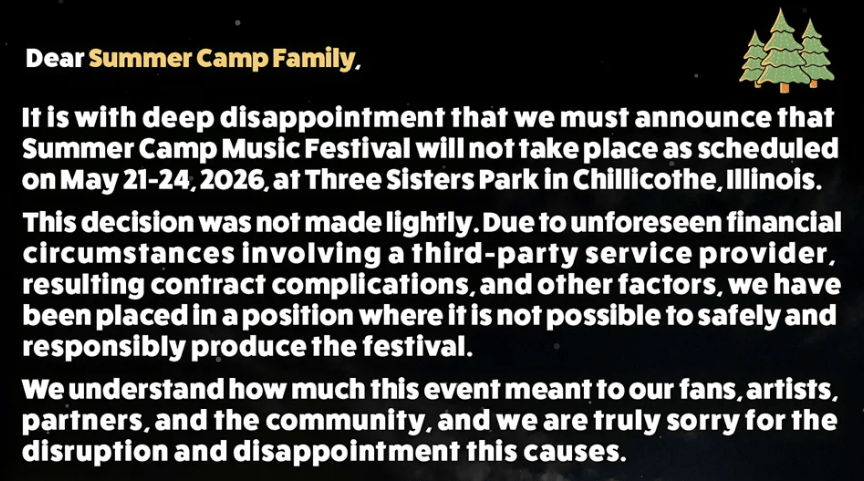
The biggest headline was obviously the cancellation of Summer Camp.
For longtime jam fans, this one hit hard. Summer Camp wasn’t just another event on the calendar — it was one of the defining festivals of the modern jam scene. For years, it built its reputation around artists like Moe. and Umphrey’s McGee while creating a space that blended improvisational music, camping culture, and community.
During the conversation, Jeff pointed out that the festival had changed significantly in recent years. The lineup moved further toward EDM while stepping away from the jam-focused identity that originally made the festival special to so many people.
That shift may have created a disconnect with longtime attendees.
At the same time, the financial realities facing festivals right now are becoming impossible to ignore. Rising production costs, expensive artist guarantees, insurance, labor, and travel costs are putting enormous pressure on promoters.
Fans are also waiting longer to buy tickets, which creates major cash-flow problems for festivals that rely heavily on early sales.
Summer Camp may not be the last festival to face these challenges.
One of the biggest themes throughout the episode was the idea that the jam festival scene itself may be changing shape.
We talked about how several longtime events have downsized or struggled in recent years. Hookahville, for example, is only hosting one event this year instead of its traditional spring and fall gatherings. Other regional festivals have either disappeared completely or shifted formats to stay financially sustainable. 
But while the large-scale jam festival model may be struggling, smaller regional gatherings still feel very alive.
Festivals like Nelson Ledges, Po Road, and Hannon’s Camp America continue to thrive because they focus heavily on community and experience rather than massive production builds.
That’s something we kept coming back to during the discussion: The jam scene has always been rooted in connection.
Smaller festivals often create more opportunities for that connection to happen naturally. Fans run into each other repeatedly throughout the weekend. Artists mingle with attendees. The experience feels more personal and less commercial.
And honestly, that might be where the future of the scene lives.
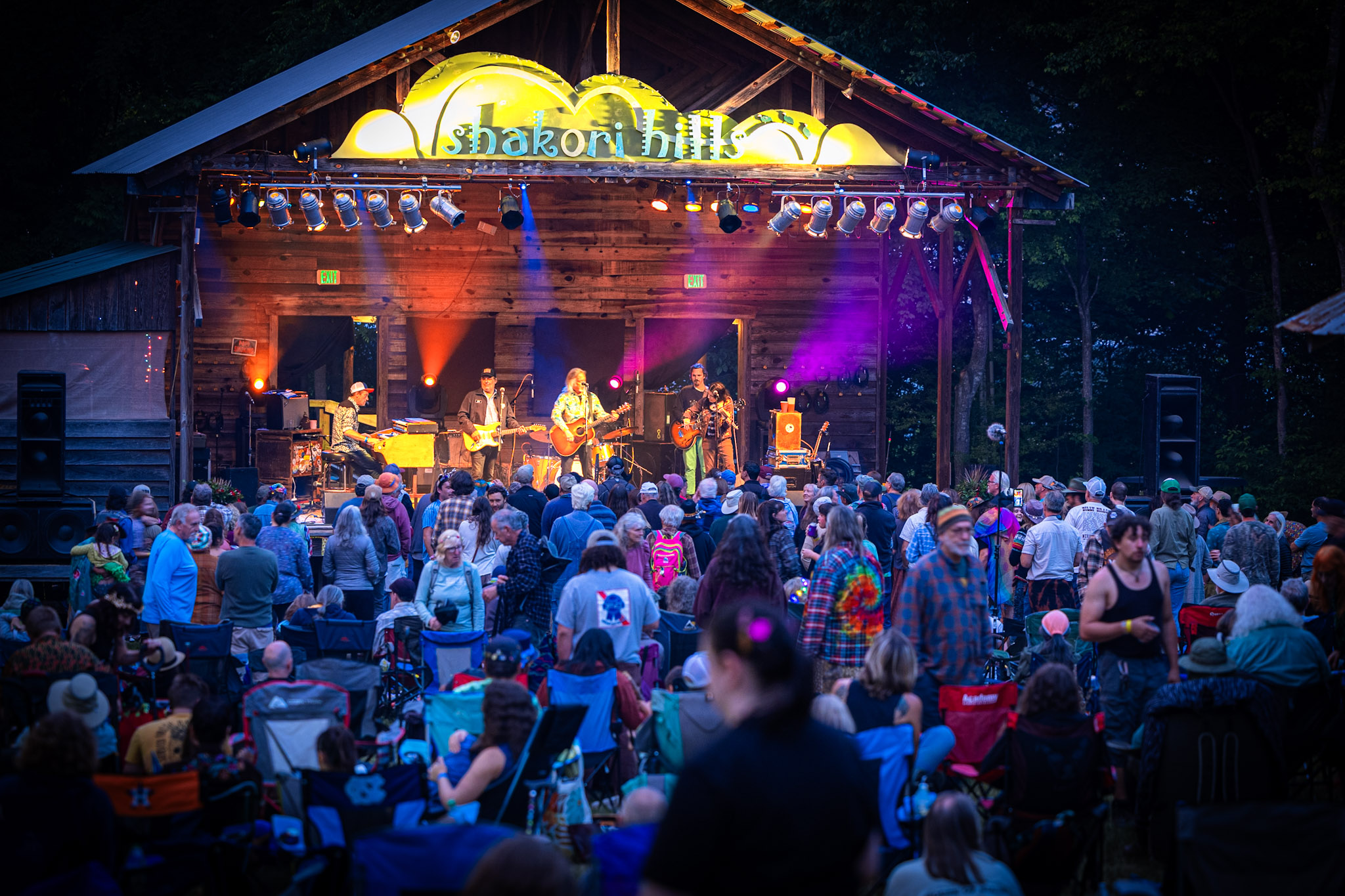
Toward the end of the episode, Jeff and I reflected on our recent experience at Shikori Hills Music & Dance Festival in
North Carolina.
After discussing so many difficult industry realities, Shikori Hills felt refreshing.
The crowd was diverse, welcoming, and genuinely connected through music. At one point during the weekend, a performance rooted in Yemeni musical traditions had thousands of people dancing together from completely different backgrounds.

It was one of those moments that reminded us why festivals matter in the first place.
Not because of influencer culture or giant LED screens. Not because of VIP sections. But because music still has the ability to bring people together in meaningful ways. Be sure to keep checking in for my full recap of our time at Shikori Hills coming soon.
The cancellation of Summer Camp feels significant because it represents more than just one festival disappearing.
It reflects larger questions about sustainability, identity, and what audiences actually want from live music experiences
moving forward.
Maybe the future of festivals isn’t necessarily bigger. Maybe it’s more intentional.
The festivals that survive may be the ones that stay authentic, understand their audience, and continue building genuine community.
And if there’s one thing this conversation made clear, it’s that people are still searching for those experiences.
Until next time, neighbors — support the festivals you love, buy tickets early when you can, and keep showing up for the independent scenes that make this culture special.
See you out there.
Watch Grammy-winning progressive bluegrass pioneers The Infamous Stringdusters perform live from EMS Spring Bluegrass Festival 2026 at Florida Sand Music Ranch in Brooksville, FL.
Video Credit: @musicfestivalspodcast — EMS Spring Bluegrass Fest 2026: The Infamous Stringdusters Full Show
In episode 62 of the Music Festivals Podcast, I chill with Sunshine Hootenanny Music & Arts Festival organizers Turner C. Moore and Jillian to get a...
In Episode 66 of the Music Festivals Podcast you'll get the my take on the top 7 trends for music festivals in 2026. Plus, get a load of the wildlife...
In Episode 64 of the Music Festivals Podcast, I share my firsthand experience traveling as a full-time RV festival roadie, including a deep dive into...